Address
304 North Cardinal St.
Dorchester Center, MA 02124
Work Hours
Monday to Friday: 7AM - 7PM
Weekend: 10AM - 5PM
Address
304 North Cardinal St.
Dorchester Center, MA 02124
Work Hours
Monday to Friday: 7AM - 7PM
Weekend: 10AM - 5PM

In modern fashion, The Row sits in a distinctive place. Ever since it was founded by Mary-Kate and Ashley Olsen in 2006, the brand has spent nearly two decades building a reputation rooted in restraint instead of branding or seasonal buzz. No monogram canvas exists here, nor obvious branding, nor visible hardware calling out for attention. The Row bags, instead, depend on proportion, leather quality, and construction that rewards close inspection. To grasp why these pieces command such loyalty — and such high resale value — it’s helpful to examine the core silhouettes that characterize the house, rather than grouping the collection together as an undifferentiated pile of “luxury minimalism.”
Where to shop if you’re hunting for a deal is explained in this overview, along with how a row sale actually tends to work in practice — but first, it unpacks the shapes that count and explains what distinguishes a truly outstanding piece from a simply expensive one.
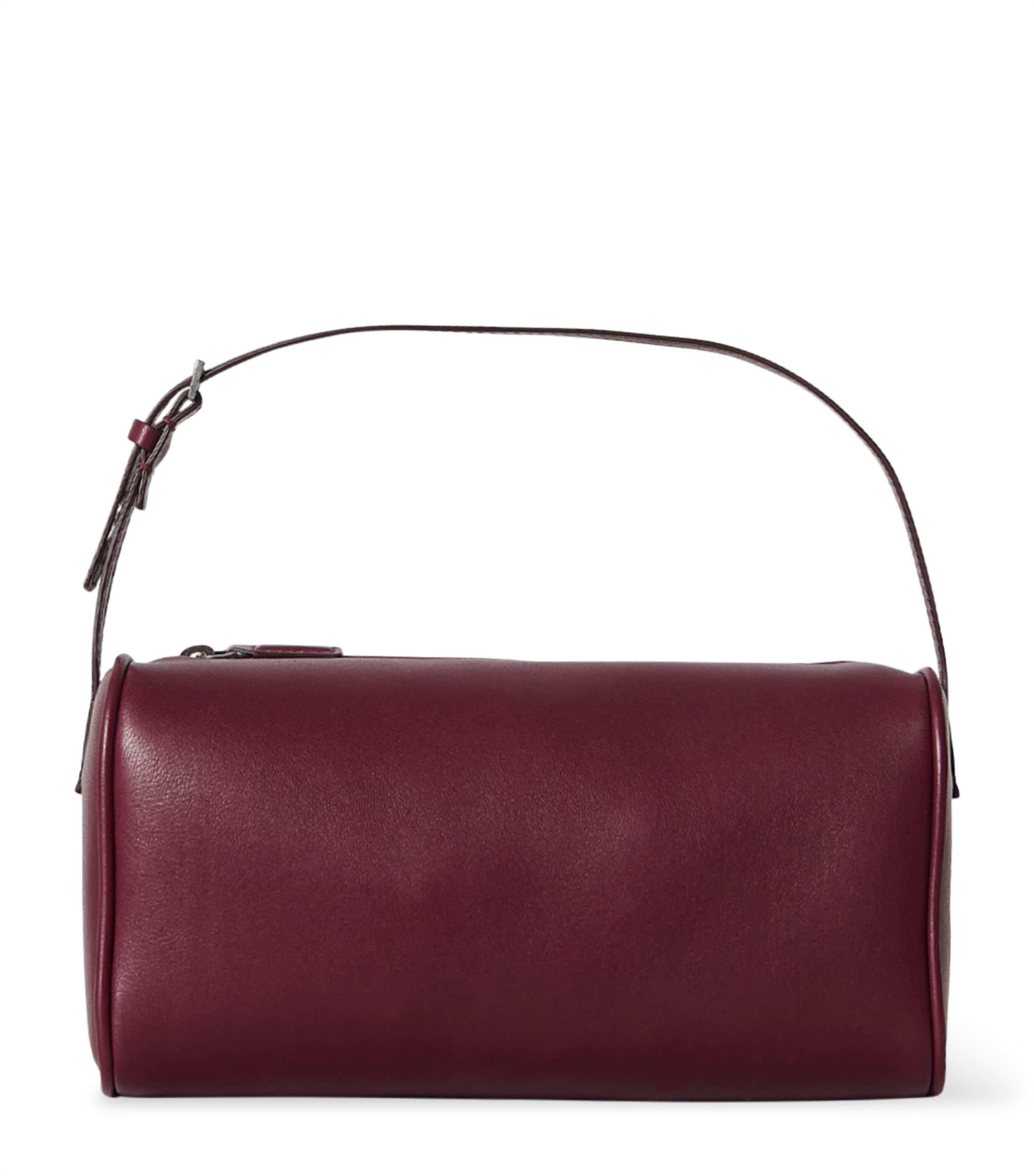
Most luxury houses build instant familiarity through repeated motifs — a signature hardware piece, a quilted pattern, a branded initial print. Instead, The Row charts a contrary course. Relaxed, fluid shapes, subdued color schemes (think taupe, ecru, black, and various browns), and leathers so supple they require barely any decoration to earn their price — these are what the brand’s design language leans on. This is a conscious choice. The designers have discussed their intent for pieces to serve as quiet luxury rather than conspicuous status markers.
To someone new to the brand, the row handbags photograph nearly the same, but a catalogue of them makes clear how entirely different they feel in hand. Someone buying for the first time often underestimates The Row until they feel the leather firsthand or notice how a bag keeps its structure without heavy structural backing. That tactile difference is central to grasping the label’s pricing structure, which frequently falls somewhere between $2,000 and $6,900 based on the row sale black top handle the size, the leather used, and the hardware finish.
The Margaux is the single style that carried The Row beyond niche fashion circles for a wider public dedicated fashion followers. Ever since its early 2010s debut, this the row tote bag has evolved into a near-cult favorite, adopted by editors, stylists, and off-duty models wanting a bag that appeared costly without feeling showy, a reputation it kept well into the mid-2020s. Sizing for the Margaux spans several options — generally known as Margaux 10, 12, 15, and 17, with the number roughly corresponding to width in inches — giving buyers a range from a small everyday option to a true office-suited tote that holds a laptop and documents.
A relaxed, open-top tote with pared-back hardware and rolled handles built for shoulder wear is at the core of the silhouette itself. Colourways rotate through the seasons while rarely leaving neutral territory, and leather choices have included both smooth and grained leather types. Plenty of buyers want to know where to buy The Row Margaux bag, and the reality is that availability is inconsistent — the brand intentionally caps supply, which is partly why resale interest continues unabated.
Beyond the Margaux, The Row’s catalogue includes several structured and semi-structured bags that serve different purposes. Buyers seeking something closer to a briefcase instead of a relaxed tote often prefer the Sofia bag, which offers a more architectural top-handle shape. In the crossbody category, the Wander has built its own following — more compact, more casual, and more affordably priced than the brand’s larger totes, often making it a common entry point for first-time buyers.
There’s also the Ascot, a boxier top-handle bag with a distinctly vintage-leaning silhouette, alongside assorted clutch and pouch styles that surface less predictably depending on the season. Different use cases are addressed by each: the Sofia suits office wear, daily errands suit the Wander, and the Ascot fits evening or more formal settings. Understanding this range matters because The Row is often reduced in conversation to “the tote brand,” when in truth the label turns out a fairly diverse set of silhouettes spanning different price tiers and purposes.
The Row’s leather sourcing is a major factor in why the brand’s pricing sits where it does. The label has used Italian-tanned leathers widely, and the finishing technique on pieces such as the Margaux relies on sparse stitching lines specifically to create that unstructured drape. Fewer seams generally mean more leather waste during production, which is part of why the cost stays high even though the aesthetic reads as simple.
Low-key hardware — small clasps, discreet zippers, subtle stamped logos instead of embossed logos — is generally the norm where hardware exists. Throughout the row bag range, this approach holds and reaches smaller leather goods like card holders and pouches. Buyers evaluating a purchase should carefully examine stitching consistency, how the leather ages (most pieces acquire a natural patina over time), and whether the bag’s slouch returns to shape after use, since these details are what separate genuine quality from counterfeit items saturating secondary markets.
The table below summarizes the practical differences between four of the most frequently searched the row bags, based on typical size range, use case, and general price positioning as of 2026.
| Cut | Typical Use | Size Range | General Price Range |
|---|---|---|---|
| Margaux | Used for everyday carrying and office bags | Spanning from Margaux 10 through Margaux 17 | Mid to high (depends by the leather chosen and the size selected) |
| Sofia | An architectural piece suited to office carry | A principal size offered, now and then joined by variants | Elevated |
| Wander | Daily casual use as a crossbody shape | Centered around one compact size | An more accessible cost compared to the totes |
| Ascot | Formal events, nighttime use | Small to medium | High |
This overview isn’t exhaustive — The Row cycles through special releases and seasonal colourways frequently — but it offers a working framework for anyone sizing up the leading Row bags before deciding what to buy.
By design, The Row avoids heavy discounting. Rather than following widely distributed labels and their regular sale periods, The Row tends to let markdowns emerge late in a season, typically via authorized multi-brand retailers instead of The Row’s direct storefronts. A row sale is more likely to surface at established luxury e-commerce platforms or department stores carrying the line, rather than through flash sales or brand newsletters.
This is a situation where patience counts most. Given that only small runs are produced, price-cut stock gets snapped up rapidly, and frequently sought sizes, including the Margaux 12 rarely last more than a few days once marked down. Buyers serious about finding value should set alerts with retailers known to carry The Row fashion lines, browse end-of-season markdown areas near January and July, and remain poised to react swiftly once stock surfaces. Reselling sites present a further option, though proving legitimacy matters greatly given how frequently counterfeit “Row-style” bags circulate.
Settling on a pick among the row handbags ultimately comes down to how you live day to day rather than chasing trends, since the pieces in this line are built to last years rather than seasons. Anyone traveling to work daily with a computer in tow will find much greater everyday value in a Margaux 15 or 17 than in a compact Wander. Someone attending frequent evening events might prioritize the Ascot’s structure over the Margaux’s softer drape. Before making a final choice, a few practical questions are worth asking:
These points carry more weight with The Row than with logo-driven brands, as the appeal here is rooted in feel and utility rather than logos. A poorly-suited bag—however exquisitely crafted—will end up gathering dust.
Shoppers gain a much clearer perspective by getting familiar with The Row’s core silhouettes — the Margaux, Sofia, Wander, and Ascot — as opposed to merely skimming catalog pages haphazardly.
The investment involved becomes easier to justify once you acknowledge that every one of these styles addresses a distinct need.
Through 2026, resale value for the brand has held firm — exactly because the brand refuses to chase trends — and select Margaux sizes outperform in value retention than bags from far flashier, more heavily hyped labels.
If you’re new to this, the smartest approach is to clarify the daily task the bag is meant to handle, scope out current stock through authorized sellers, and keep an eye out for seasonal markdowns as opposed to anticipating ongoing sales. The Row values patience and precision in equal measure to the craftsmanship found in its bags.
